
The Battle for BC
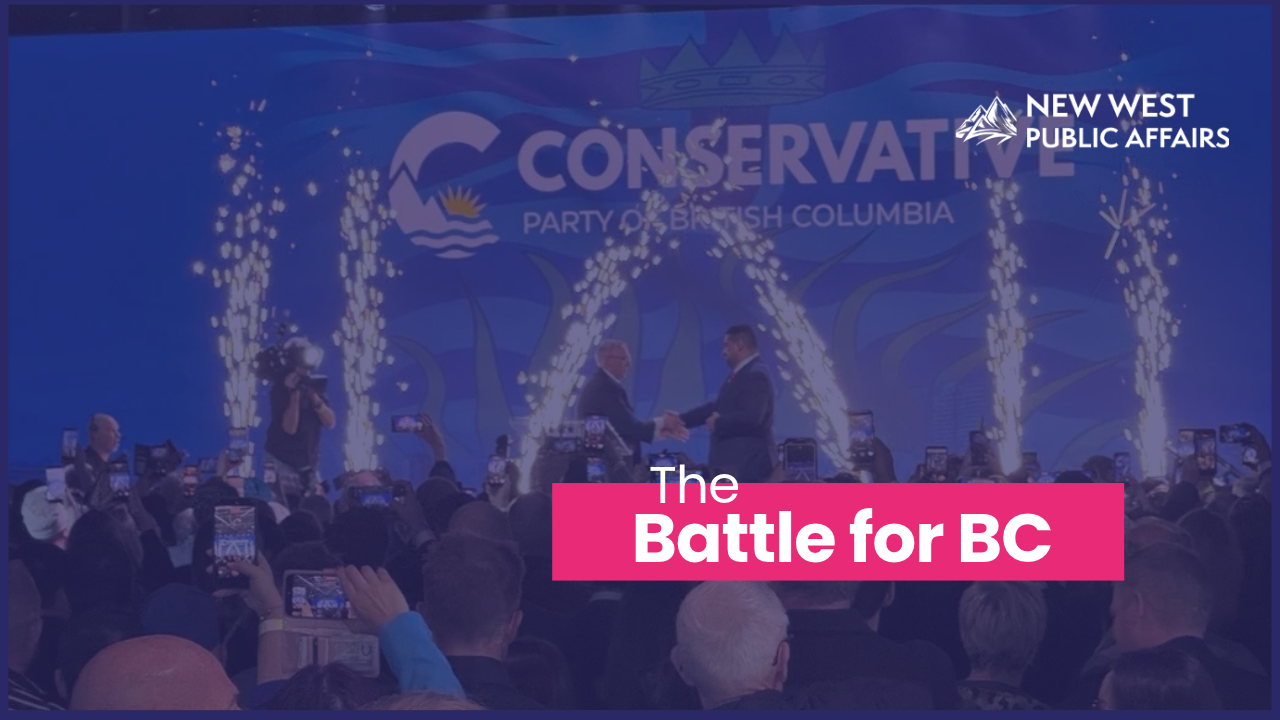
Eby’s Election Gamble Backfires as Conservatives Take Power
David Eby called an early election hoping to defeat a divided BC Conservative Party. Instead, he handed them the keys to the Premier's Office.
Just five weeks ago, Lorne Doerkson was returning from a vacation in South Africa when he was asked to take over a Conservative Party in crisis. Today, he is British Columbia's premier-designate, preparing to lead the province's first government under the Conservative banner in nearly a century.
Eby's decision to call an early election will be studied as one of the greatest political miscalculations in recent Canadian history. But with the ballots cast, and the verdict of British Columbians rendered, attention now turns to what comes next.
Doerkson has a commanding majority, with Conservatives elected or leading in 63 of the province's 93 ridings. Managing a caucus of that size will be no small task, particularly with many MLAs having little or no experience in government. His caucus brings together a large and diverse coalition of former BC Liberals and Conservatives with different priorities.
Doerkson united the party quickly during the campaign, but that was within a crisis scenario. Maintaining that unity will be critical, and perhaps more difficult, as he appoints his cabinet, sets budget priorities, and balances both regional and ideological interests.
Doerkson's interim leadership was a point of attack for the NDP during the campaign, but Saturday’s result has made his position considerably more secure. While the Conservatives still need a two-thirds majority vote of party members to amend their constitution and make his leadership permanent, solidifying that support should be straightforward after delivering a decisive majority government.
That leaves Doerkson to focus on fulfilling the mandate voters gave him, including “supercharging” BC's economy. The platform outlines plans to cut taxes, expand resource development, accelerate project approvals and attract investment. He’s likely to find a willing partner in Prime Minister Mark Carney, whose own economic agenda emphasizes major projects, resource development and investment.
But British Columbia’s Indigenous landscape differs significantly from that of other provinces, with much of the province not covered by historic treaties. The Conservatives have promised to repeal the Declaration on the Rights of Indigenous Peoples Act (DRIPA) while pursuing economic partnerships with First Nations. Navigating Aboriginal title, consultation requirements and Indigenous relationships will be a significant test for the new government, as potential lawsuits and legal challenges could delay major projects and complicate its efforts to accelerate approvals and attract investment.
Set against the backdrop of one of Canada's largest provincial deficits, projected at $13.3 billion for 2026–27, the Conservative platform promises to restore fiscal discipline through approximately $3.8 billion in savings over four years from spending reviews, hiring restrictions and attrition. The plan also relies on economic growth reaching 3.2 per cent by 2029, considerably higher than the province's previous projections, to generate additional revenue. That’s raised questions about how the government will meet its fiscal targets if growth falls short, particularly while pursuing tax cuts and new spending commitments. And with nearly 1,900 positions already eliminated from the BC Public Service by the end of April, Doerkson will have fewer public servants to implement an ambitious agenda while looking for further savings.
Doerkson is turning to experienced hands to help navigate those challenges. On Sunday, he appointed Kim Henderson, a former head of the BC Public Service and senior official under the BC Liberal government, to chair his transition team. Henderson brings extensive experience in government operations, fiscal management and major projects, including leading a previous review of government spending. Her appointment also signals a return of experienced figures from the former BC Liberal administration, despite the NDP's efforts during the campaign to make those connections a political liability.
While the timing of the legislature's return has yet to be confirmed, the chamber will look a lot different when MLAs take their seats again.
Eby narrowly retained his Vancouver-Point Grey seat but stepped down as NDP leader on election night. He has yet to indicate whether he intends to remain in the legislature. Should he resign as MLA, it would trigger a byelection in the riding he first won from then-premier Christy Clark in 2013.
The NDP will return as the Official Opposition, reduced to approximately 27 MLAs and without several former cabinet ministers who either lost their seats or didn’t run again. The party must now select an interim leader while beginning the process of rebuilding. Veterans such as Adrian Dix or Mike Farnworth, both former leadership contenders, could provide a steady hand through that transition without seeking the permanent leadership.
For the NDP, the immediate challenge is finding stability after an election it chose to call and a defeat that cost it both government and its leader. For the Conservatives, the challenge is consolidating internal election unity into something durable and, ultimately, an effective government.
What does this mean for your organization?
A new Conservative government brings new decision-makers, policy priorities and opportunities for engagement. New West Public Affairs has deep relationships across British Columbia's conservative movement and extensive experience working with provincial governments.
Our team can help organizations navigate this transition, understand the incoming government's priorities, build relationships and position themselves to advance their objectives.
Connect with New West to discuss what a change in government means for your organization and how we can help you navigate the road ahead.